Why Exhibition Printing Is Different
Exhibition printing leaves no room for error. What might pass unnoticed elsewhere becomes immediately visible on a wall.
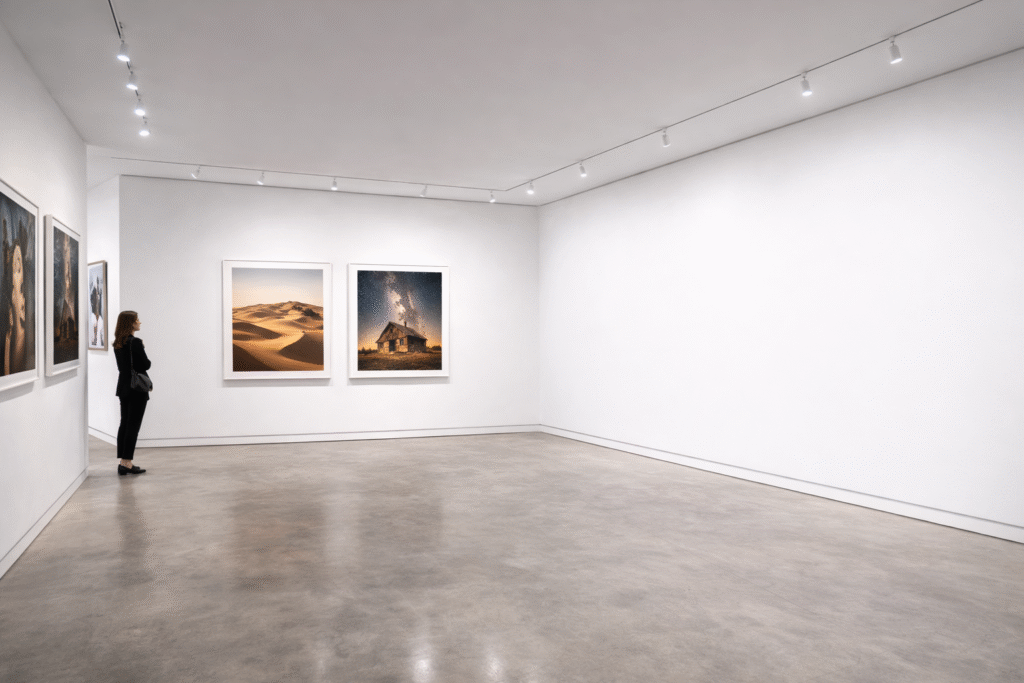
Exhibitions concentrate attention. Every decision — colour, scale, surface, framing — is read in relation to the work beside it, the space around it, and the standards of the venue itself.
In this context, small inconsistencies matter:
- tonal shifts across a series
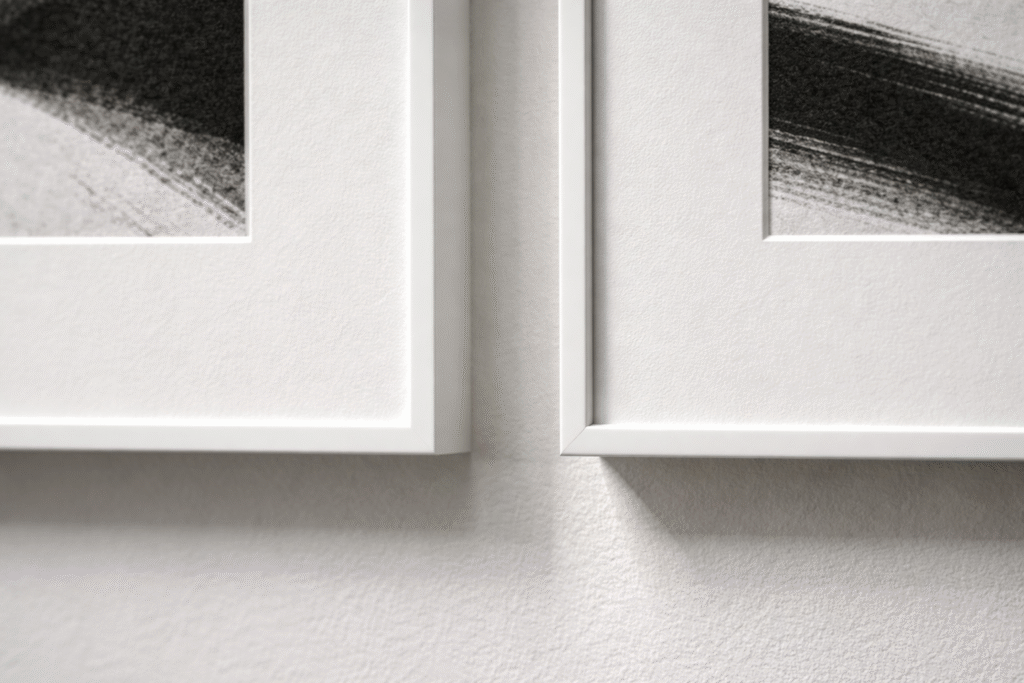
- uneven borders or margins
- paper choices that compete with the image
- framing that distracts rather than supports
These are not matters of taste. They are technical outcomes.
Exhibition printing demands control, repeatability, and an understanding of how finished works behave together — not just individually. The difference isn’t aesthetic ambition. It’s production discipline.
Controlled, Consistent, Repeatable.
Exhibition work is rarely an isolated print.
It involves multiple works that must sit together coherently — often produced under tight timelines and real-world constraints.
What matters, then, is not just how one piece looks, but whether the process behind it can be relied upon again — across additional works, future installations, or when a piece needs to be reproduced.
At Kilford Studios in Lisbon, fine art printing is approached as a controlled process:
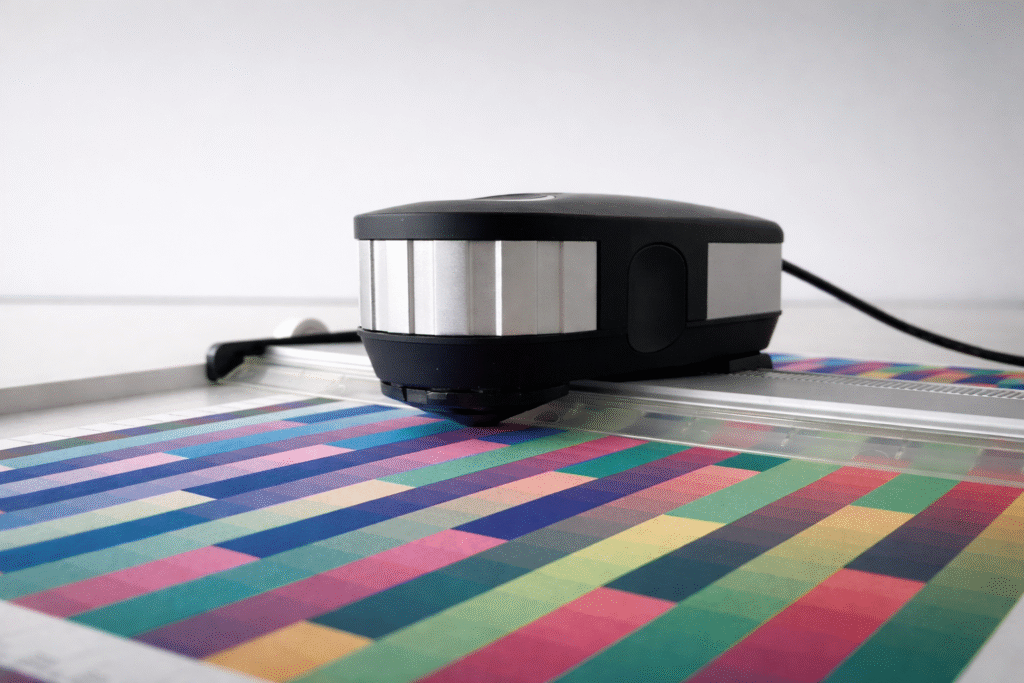
• calibrated colour workflows, maintained and verified
• paper-specific profiles and stable production conditions
• consistent handling from proof to final print
• repeatable results across works, formats, and production runs
This is how coherence is maintained across an exhibition — and how confidence is preserved when pieces need to be produced, adjusted, or replaced.
Consistency is not the result of taste.
It is the result of discipline.
Materials chosen for longevity, not convenience.
Exhibition work is expected to last — visually and materially.
That expectation informs every material decision throughout the process.
Printing is carried out exclusively with pigment inks and fine art papers used in giclée printing, selected for stability, consistency, and long-term archival performance.
Paper tone, surface, and structure are treated as part of the work, not as neutral carriers of an image.
Framing and mounting decisions follow the same logic: materials chosen to support the work, remain appropriate in institutional contexts, and uphold conservation expectations over time.
This is not about specifications for their own sake.
It’s about ensuring that what leaves the studio remains fit for exhibition — not just now, but for decades to come.
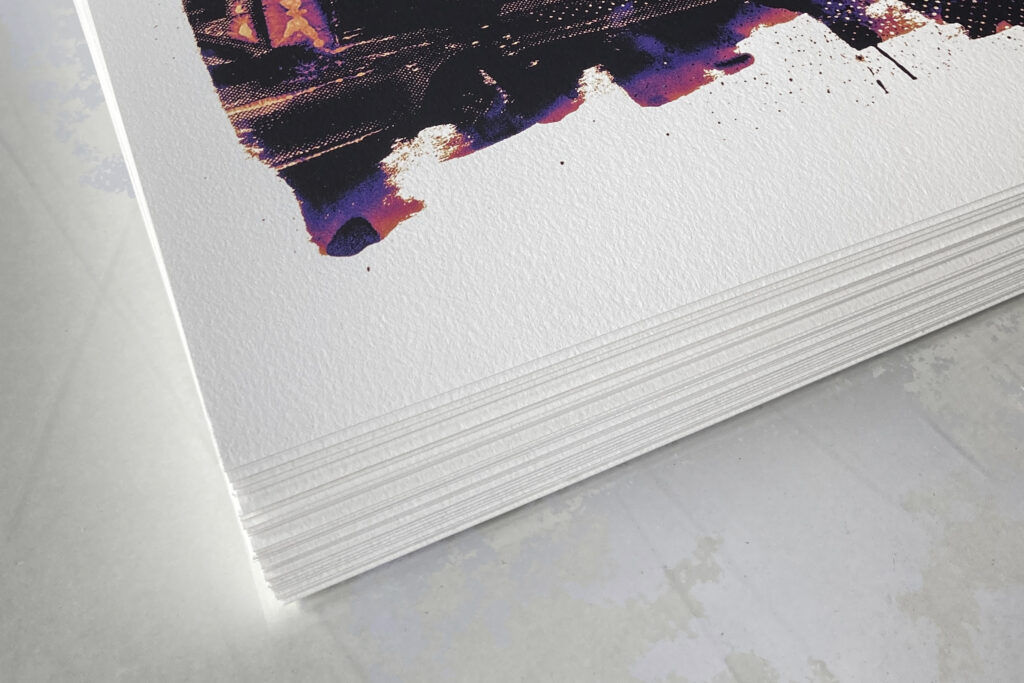
An Integrated Workflow (Capture → Print → Frame)
An integrated workflow, from capture to final presentation.
Exhibition work rarely fails because of a single decision.
It fails when capture, printing, and framing are treated as separate steps rather than parts of a unified process.
When these stages are handled independently — often by different suppliers — small inconsistencies begin to accumulate. Colour shifts, scale decisions, mounting tolerances, and framing details drift subtly out of alignment.
The result is rarely dramatic.
But it is cumulative — and visible.
At Kilford Studios, these stages are handled as one continuous workflow.
Artwork photography and digitisation are carried out with the final print in mind.
Print decisions are made with framing, mounting, and display context already considered.
Framing is approached as part of the work’s presentation — not as an afterthought.
This integrated approach reduces variables, shortens feedback loops, and ensures decisions remain connected — from capture through to final presentation.
For exhibition projects, that coherence matters as much as any individual technical choice.
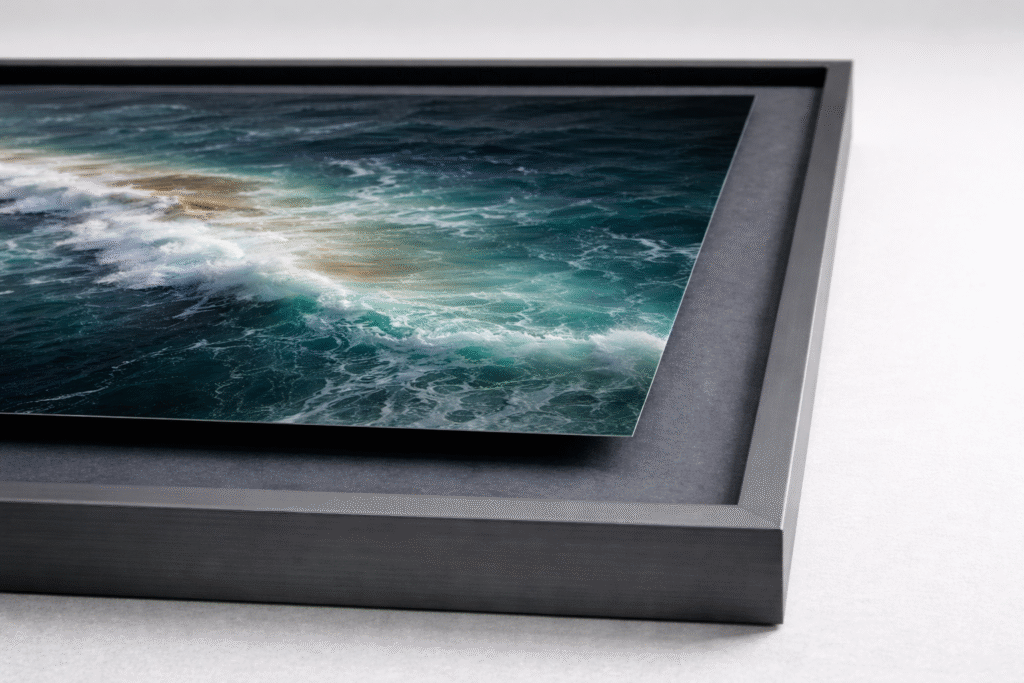
When this is the Right Fit
For work that will be evaluated — by peers, curators, and collectors.
Designed for projects where decisions carry consequences.
It’s for:
• Galleries and institutions preparing exhibitions, fairs, or curated programmes
• Artists producing exhibition bodies of work or limited editions
• Photographers preparing portfolio-grade or exhibition-level prints
• Curators and producers who require consistency across multiple works and timelines
In short: projects where precision, reliability, and accountability matter more than speed or convenience.
It may not be the right fit for one-off decorative prints or casual reproduction.
But for exhibition work — where professional judgment and market response intersect — it is precisely the point.
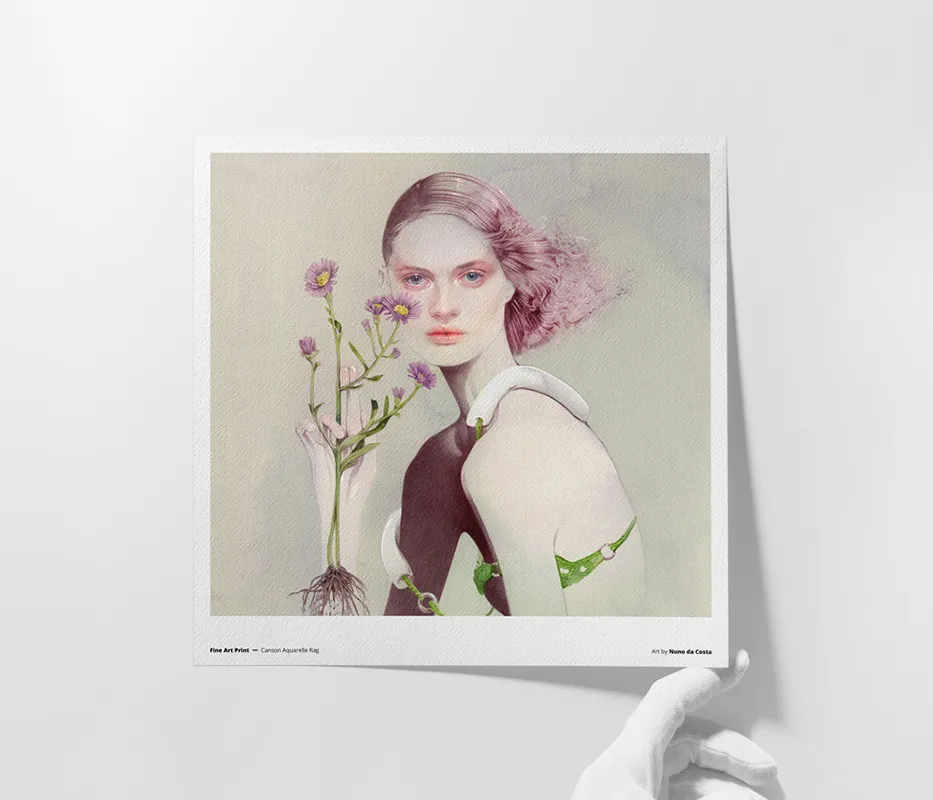
How Exhibition Projects Typically Begin
A clear starting point, not a rushed decision.
Exhibition projects rarely begin with a fixed specification.
They begin with context.
Typically, the first step is a short conversation to understand the work, the exhibition environment, and what needs to be resolved before production begins. This may include format, scale, paper and framing direction, timelines, and how different pieces need to behave together.
From there, the production path becomes clearer — whether that involves artwork photography or digitisation, print testing, sequencing, or framing decisions.
The aim at this stage is not to finalise everything, but to remove uncertainty early and ensure that each subsequent decision supports the final presentation.
That clarity is what allows exhibition work to move forward with confidence.
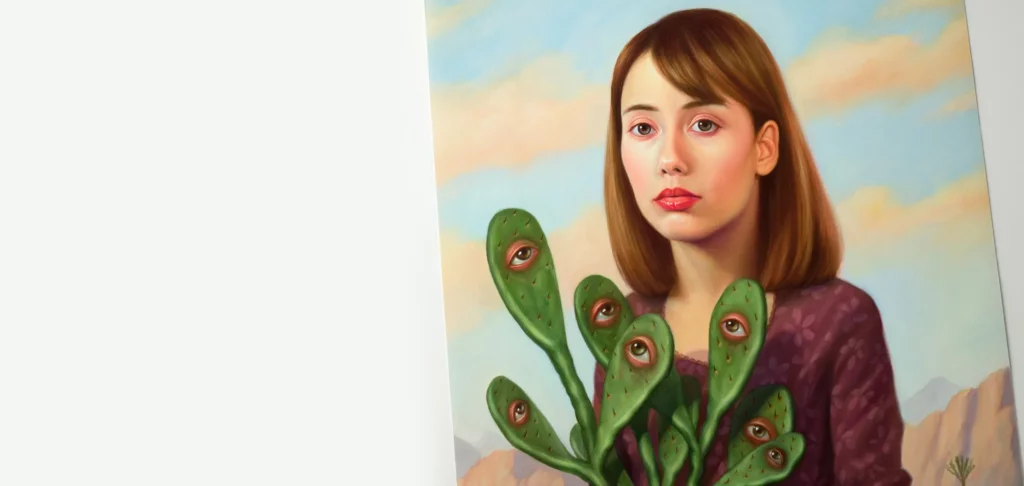
A Considered Next Step
Exhibition projects begin with clarity and shared understanding.
A short conversation is usually enough to define scope, approach, and next steps — before anything is committed to production.