The original has one owner. An edition finds the rest.
Most artists try editions the same way — print a few, see what happens, move on when it doesn’t immediately work. The idea gets filed under “maybe later” and stays there.
The artists who build something with editions think differently. Not about printing — about structure.
Originals generate interest. Faithful reproductions of those originals become editions. Limited editions reach buyers the original never would. Visibility brings commissions. A cycle — not a test.
The same work exists as two distinct products, in two separate markets, with two different types of buyer. The original holds its value. The editions work in parallel.
The difference between artists who build this and those who give up after the first attempt is rarely talent. It’s intention.
The original endures. The edition earns its keep.
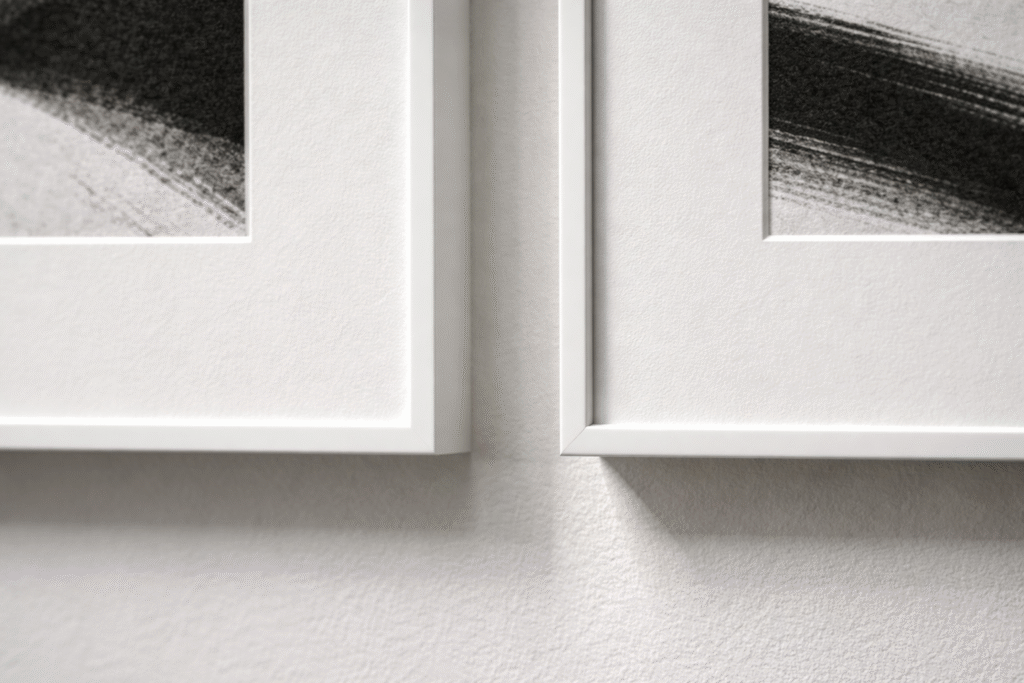
A well-made edition isn’t a compromise. It’s a product in its own right.
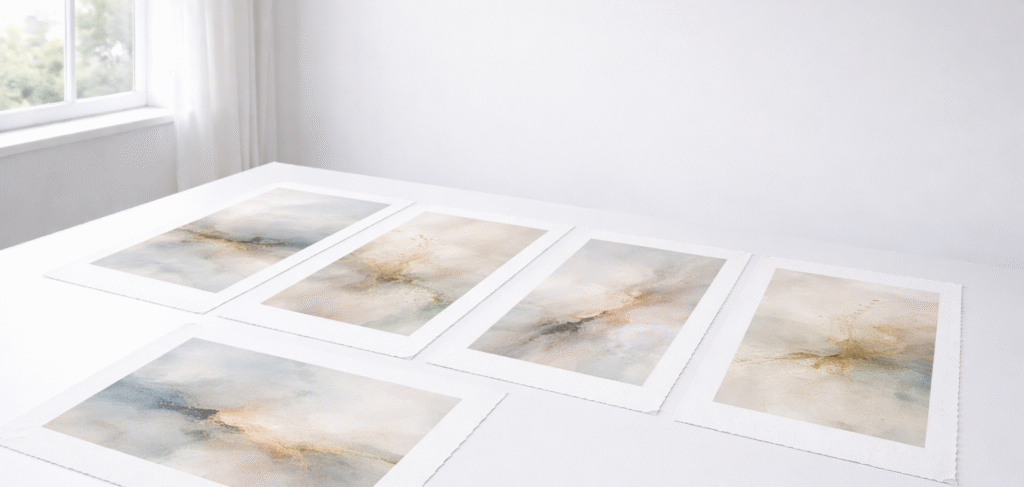
An edition isn’t the original at a lower price point. It’s a different product, for a different buyer, in a different context. The collector who acquires the original and the buyer who purchases a numbered edition aren’t competing. They never were. They’re two separate markets, served by the same work.
But that distinction only holds when the edition is made to match the original’s standing — the right paper, consistent finishing, presented with care. Artists like Vhils and galleries like Underdogs work with us because that standard doesn’t move.
The difference is in understanding the work before printing it.
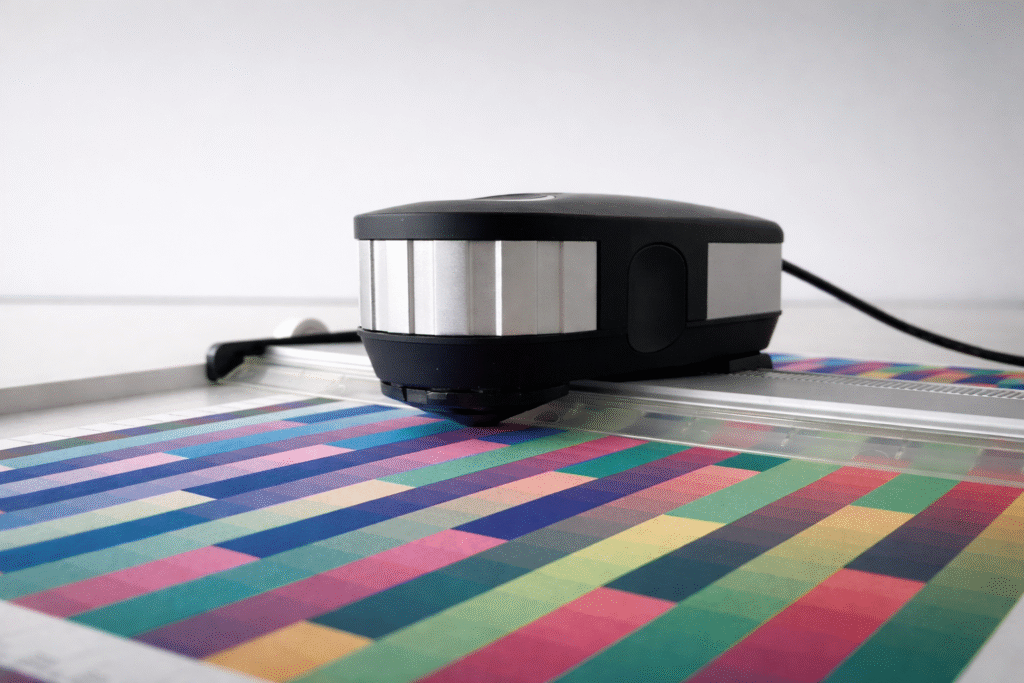
An edition is a promise. Every print must keep it.
Artists who build a recognisable body of work do so through deliberate decisions — about scale, materials, intention — and the editions that follow inherit the same criteria, held to the same standard. Not out of rigidity. But because consistent production decisions are what allow a practice to grow without losing coherence.
These decisions feel small when they’re made. But they become obvious with time.
A reputation takes years to build. It can unravel much faster than that.
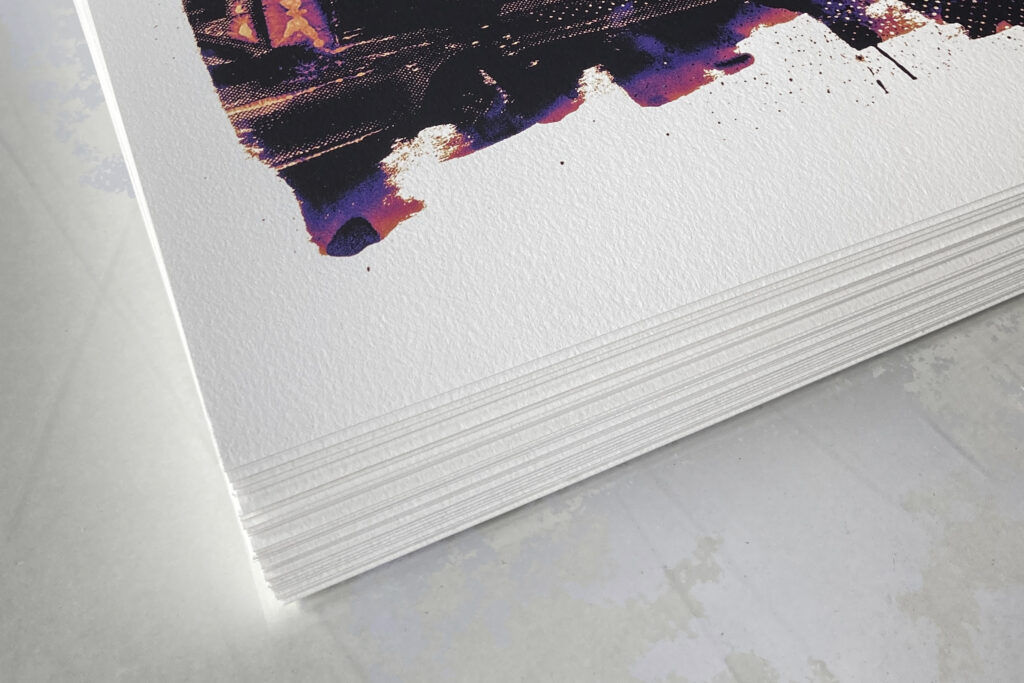
Paper is not a neutral surface.
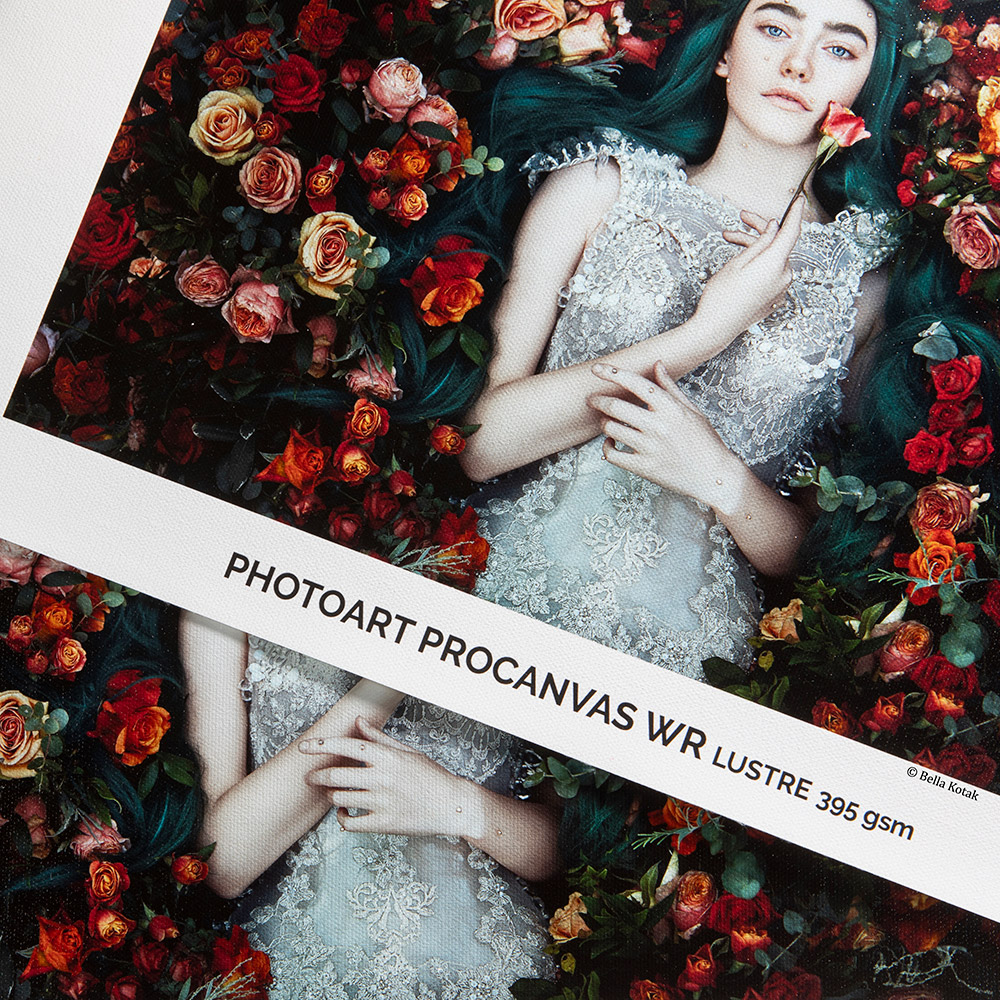
Before anyone looks at a print closely, they’ve already formed an opinion. The matte surface of a cotton rag reads differently from a satin baryta. A 300gsm sheet has a physical presence that a 200gsm sheet simply doesn’t. These differences are immediate, tactile — and they shape how the work is received before any conscious judgment is made.
Paper choice is where creative intention meets technical reality. Knowing what you want the work to feel like is the starting point — understanding what each paper can and can’t deliver is what makes that choice the right one.
At our Lisbon studio we print exclusively on Canson and Hahnemühle Fine Art papers. We’re a certified lab for both — a distinction only awarded to studios that demonstrate consistent technical rigour, not just the right equipment.
For artists exploring the options for the first time, we have a paper sample pack available — or a more in-depth conversation at a Creative Guidance Session in the studio.
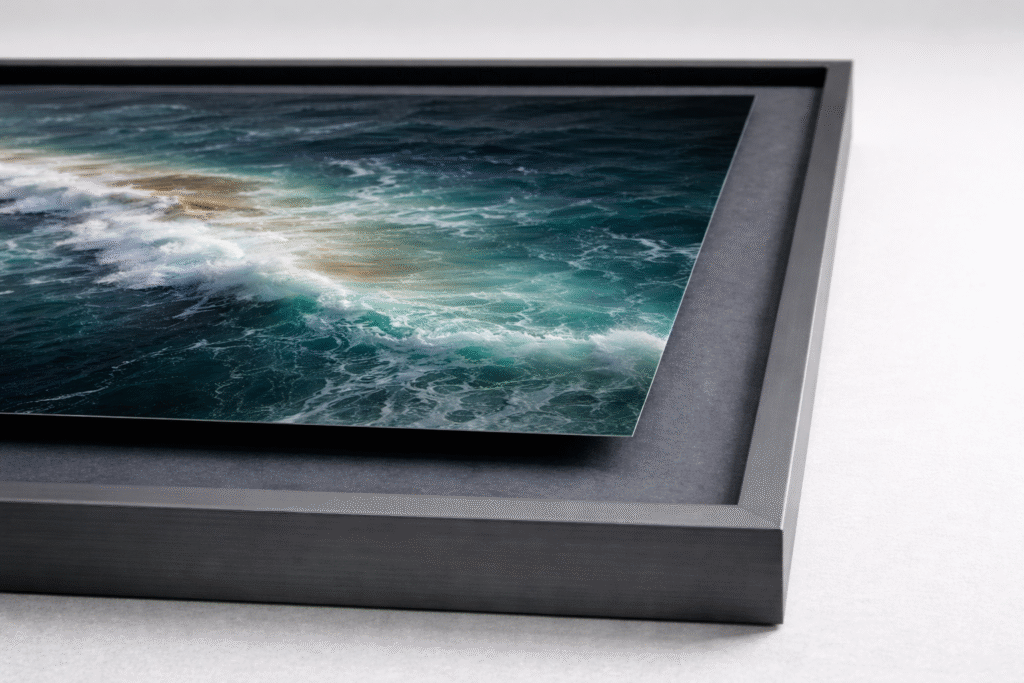
Capture + print. One studio, one process.
When these stages are handled separately, the process disconnects. The original is captured in one place, printed in another. Everyone optimises their part. Neither one controls the whole process.
For artists working from physical originals, the quality of the capture is decisive — not because our print standards vary, but because print is faithful to what it receives. A file’s quality is set at capture — resolution, even lighting, and white balance can’t be reliably recovered after the fact, particularly without the original RAW. What can be refined — tonal balance, shadow detail, general file preparation — is part of what we do. Where more involved colour work is needed, we’ll say so and discuss it before anything moves forward.
When both stages happen in the same studio, with the same knowledge applied to each, capture informs print and print rewards capture. One feeds the other — and the result reflects it.
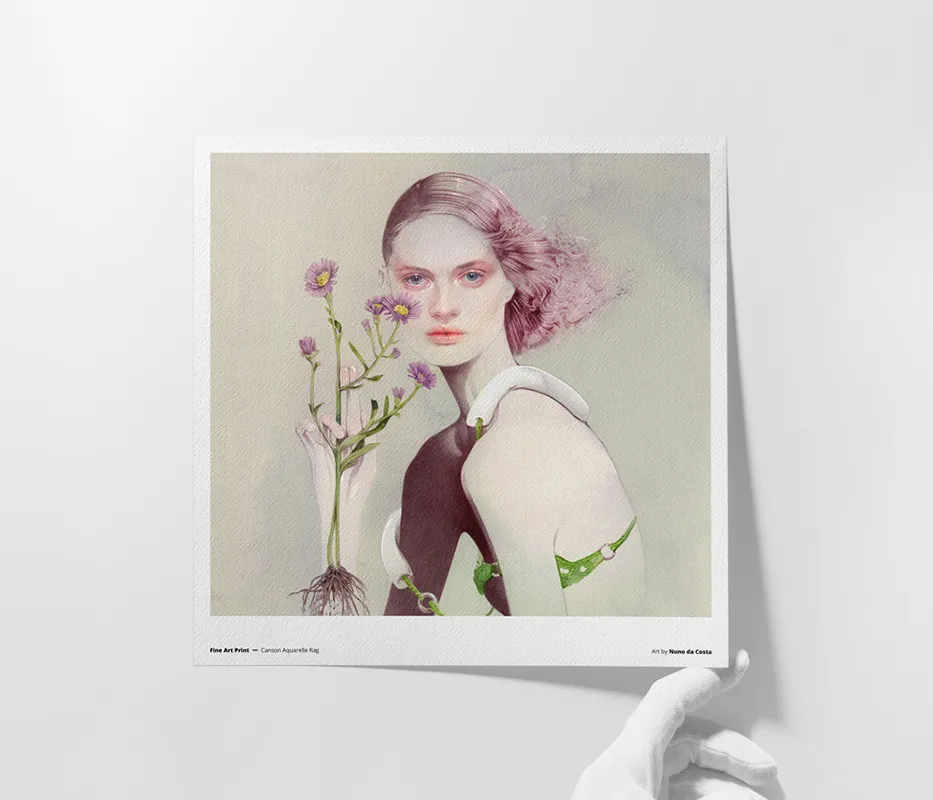
For artists who don't treat printing as an afterthought.
This service was built for work where the printed form is an integral part of the practice — not as something you hand off, but as a deliberate decision. For artists producing or looking to build an editions strategy for sale. For those working from physical originals who need faithful, lasting reproductions. For photographers and digital artists for whom print is the primary form of the work. For artists preparing work for galleries, art fairs, or institutional presentation.
It may not be the right choice for those looking for a straightforward print without particular material or archival requirements. But for artists whose work will be shown, sold, or simply needs to last — this is precisely what we’re here for.
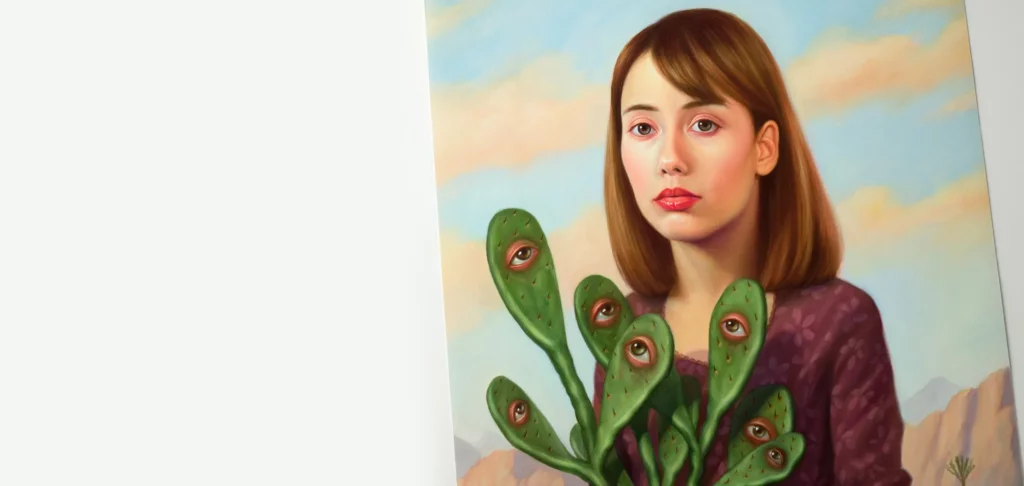
No rush. No premature commitments.
Most projects begin with questions, not certainties. Which paper suits this work? What scale makes sense? How do you build an editions strategy that holds up over time?
These are legitimate questions — and answering them well before going into production saves time, money, and decisions that are hard to reverse.
The most complete starting point is a Creative Guidance Session at the studio — an in-person conversation around your work and what it needs. We look at your originals or files, evaluate what we’re working with, discuss paper and format options, and map out an edition structure that makes sense for where your practice is now and where you want it to go. 45 to 60 minutes. For those who already know what they want, the Kilfigurator — our online configurator — lets you go straight to production.
Your work deserves to land well.
For detailed questions on files, formats, turnaround times, and edition logistics — see our FAQ.